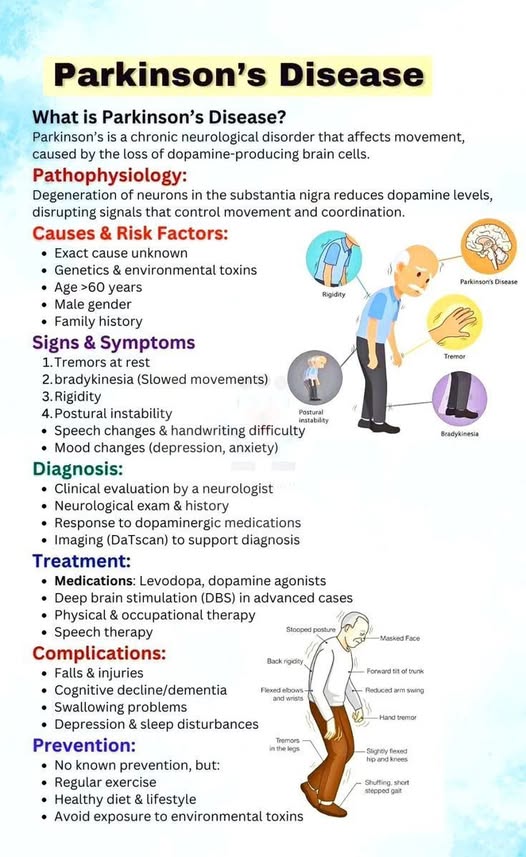
The main cause of Parkinson’s disease is a loss of dopamine-producing nerve cells in the brain, but the exact reason for this loss is unknown. Current research points to a combination of genetic and environmental factors as the most likely cause, though what triggers it remains a complex and active area of study.
Combination of factors: The disease is believed to result from an interaction between genetic predisposition and environmental influences, such as exposure to certain pesticides, air pollution, or heavy metals.
Genetic component: Genetics account for a significant portion of the risk, though for most people with Parkinson’s, it is not the sole factor. Some genetic mutations are known to increase the risk, but not everyone with the mutations develops the disease.
Loss of dopamine: The death of dopamine-producing neurons is what causes the characteristic movement problems associated with the disease. Without enough dopamine, which is a neurotransmitter essential for coordinating movement, a person’s motor skills are affected.

