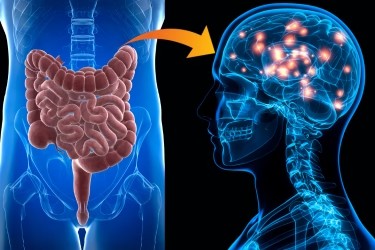
New Study Links Gut Health to Parkinson’s Disease and Highlights the Potential of B Vitamin Supplementation
Researchers have long suspected that the connection between our gut and brain significantly influences the development of Parkinson’s disease. A recent study led by medical researcher Hiroshi Nishiwaki from Nagoya University has identified specific gut microbes likely involved in this process. The study points to decreased levels of riboflavin (vitamin B2) and biotin (vitamin B7) as key factors, suggesting that B vitamin supplementation could benefit a subset of Parkinson’s patients with gut dysbiosis.
The Gut-Brain Connection in Parkinson’s Disease
Parkinson’s disease is a neurodegenerative disorder that affects nearly 10 million people worldwide. It primarily targets dopamine-producing cells in the brain, leading to symptoms such as tremors, stiffness, and bradykinesia (slowness of movement). Non-motor symptoms, including constipation and sleep problems, can manifest up to 20 years before the onset of more severe symptoms like dementia and loss of muscle control.
Past research has shown that individuals with Parkinson’s disease experience changes in their gut microbiome long before other signs appear. The new study by Nishiwaki and colleagues reinforces this connection by analyzing fecal samples from 94 Parkinson’s patients and 73 healthy controls in Japan, and comparing the results with data from China, Taiwan, Germany, and the United States.
please visit this official website more information about Parkinson’s Disease: symptoms, how to diagnose and treat it..God help you

