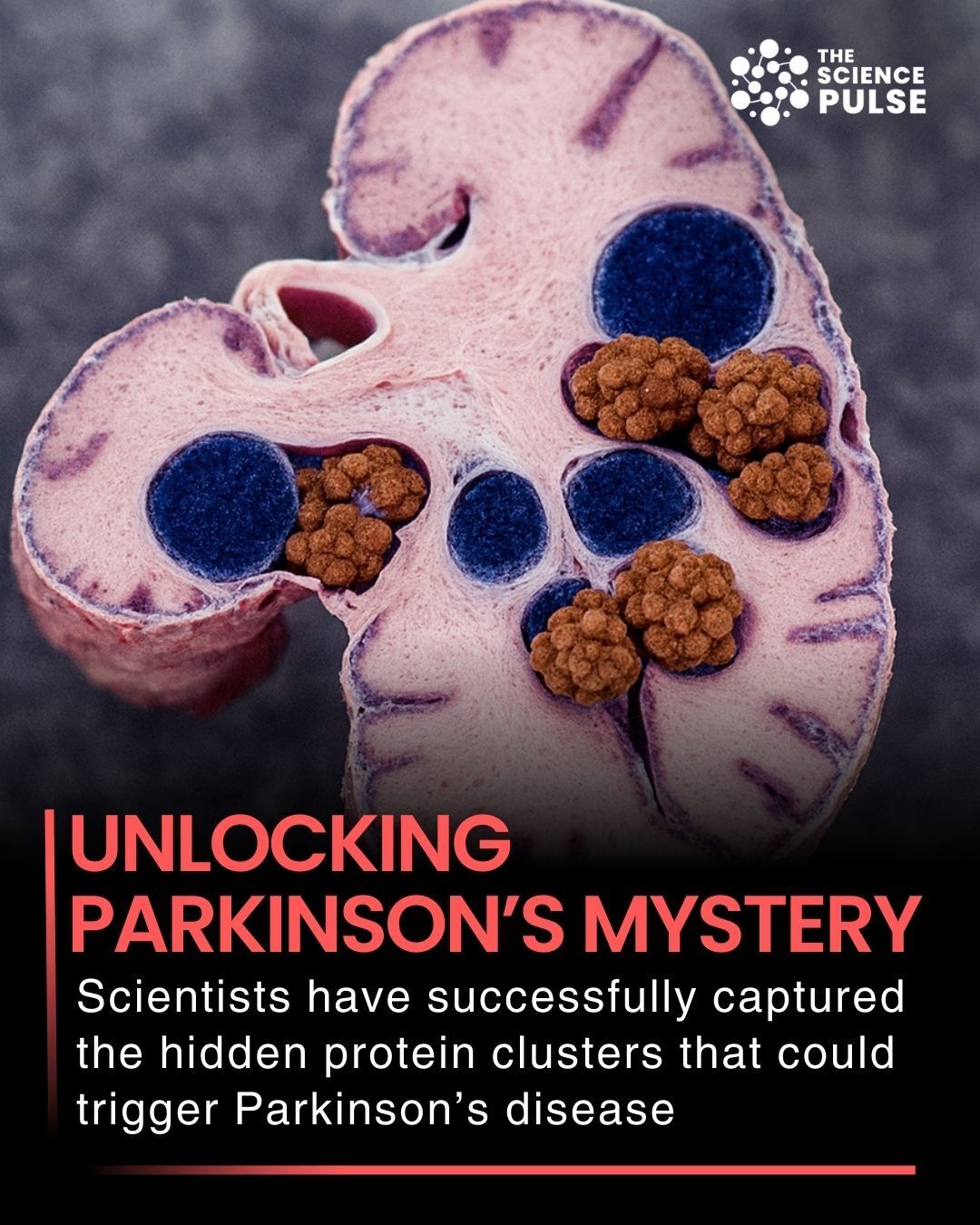
In a groundbreaking study, scientists have successfully captured the elusive protein clusters that may trigger Parkinson’s disease. These protein aggregates, known as alpha-synuclein, are believed to play a key role in the degeneration of brain cells that leads to the condition.
By visualising these hidden protein formations, researchers can now better understand how Parkinson’s disease develops and progresses. This discovery opens the door to creating more targeted treatments and potentially slowing or stopping the disease before severe symptoms appear.
The breakthrough also offers hope for millions of patients worldwide, as it provides a clearer path for developing therapies that address the root cause rather than just managing symptoms. Scientists are optimistic that this could mark a turning point in Parkinson’s research and treatment.
This advancement highlights the power of modern imaging technology and molecular biology in uncovering the secrets of neurodegenerative diseases, bringing us one step closer to a future where Parkinson’s can be more effectively treated or even prevented.

