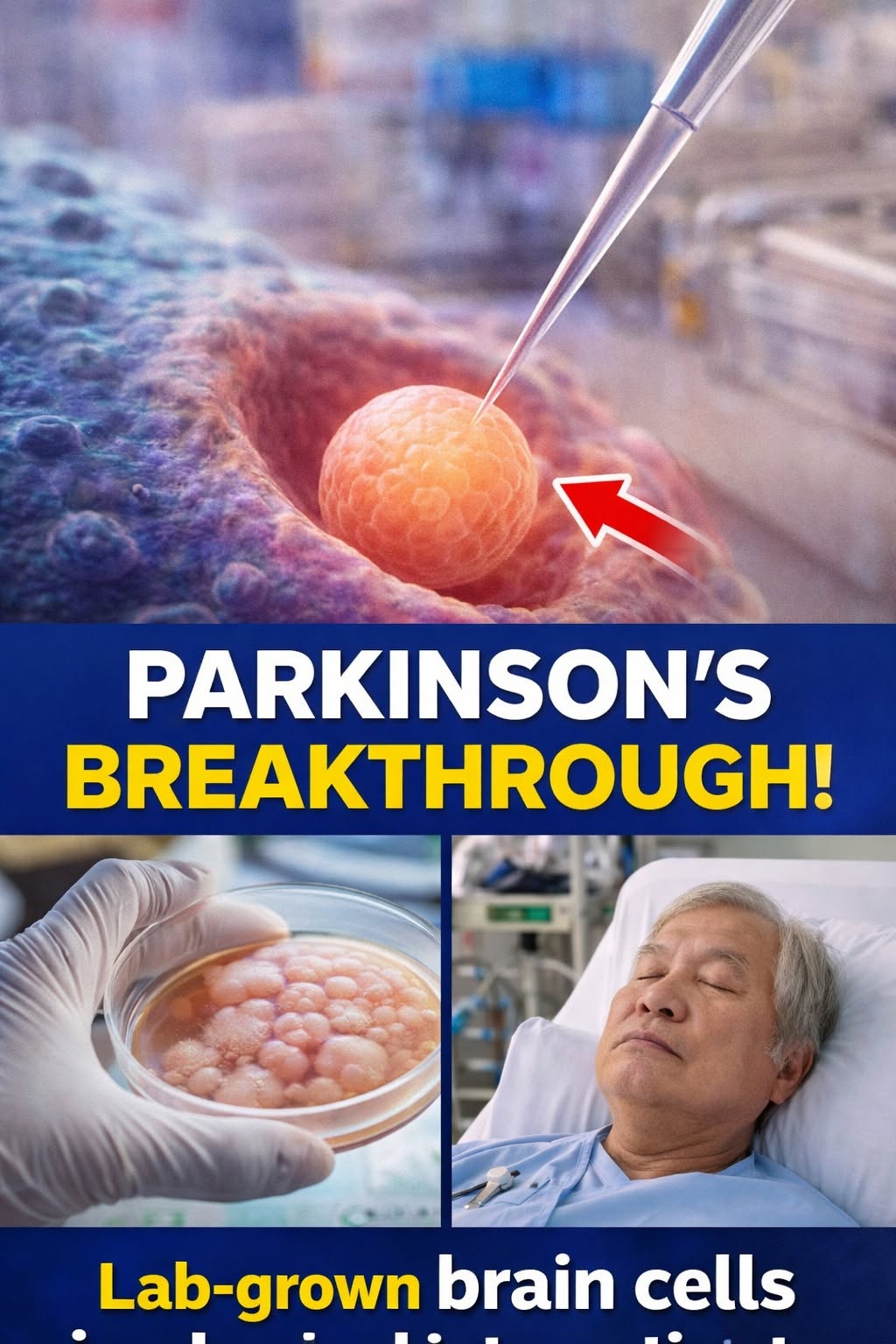
In a groundbreaking clinical trial, Japanese scientists have successfully implanted lab-grown dopamine-producing neurons into Parkinson’s disease patients, marking a significant advancement in regenerative medicine. This Phase I/II study, conducted at Kyoto University Hospital, utilized induced pluripotent stem (iPS) cells derived from healthy adult donors. Seven patients aged 50–69 underwent bilateral transplantation of these cells into the putamen, a brain region affected by Parkinson’s. Over a 24-month period, participants experienced an average improvement of 20.4% during medication-free periods and 35.7% during medicated periods, with no serious adverse events reported.
This achievement builds upon the Nobel Prize-winning work of Dr. Shinya Yamanaka, who developed the technique to reprogram adult cells into iPS cells. The successful application of iPS cells in this context represents a promising alternative to previous methods that faced ethical and safety concerns. The study’s results suggest that this approach could restore lost brain function and offer a new avenue for treating neurodegenerative diseases like Parkinson’s.
As research progresses, this innovative therapy holds the potential to transform the treatment landscape for Parkinson’s disease, offering hope to millions affected by this debilitating condition.
–
–