Could a Cancer Drug Help Slow Parkinson’s? New Research Insights
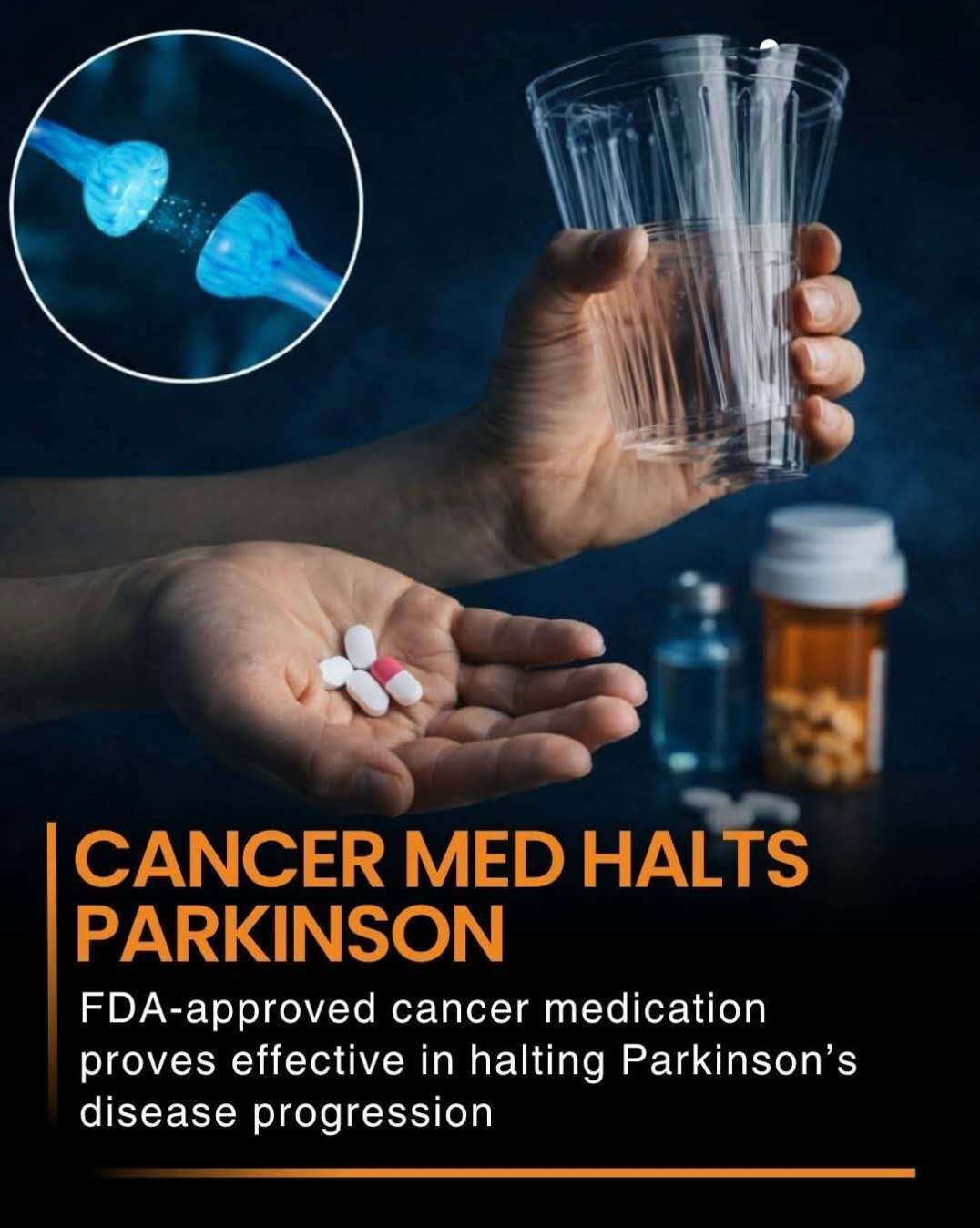
 Unexpected discovery: An FDA-approved cancer therapy may help slow Parkinson’s progression in lab studies
 Key mechanism: Two proteins—Aplp1 and LAG-3—appear to help toxic alpha-synuclein spread between brain cells
 Blocking the spread: In mouse studies, an antibody therapy blocked this interaction, reducing harmful protein buildup
 The drug involved: Nivolumab/relatlimab, already used in oncology, targets the LAG-3 protein
 Promising results: Treated mice showed less protein aggregation, better neuron health, and improved motor function
 Early-stage research: These findings are preclinical and still need confirmation in human trials
 Long road ahead: It may take years to prove safety and effectiveness for Parkinson’s patients
 Why it matters: Repurposing an existing drug could speed up development, since part of its safety profile is already known
 Big picture: Scientists are exploring innovative pathways to tackle neurodegenerative diseases once thought irreversible
 Bottom line: Blocking the spread of toxic proteins could become a powerful new strategy in slowing Parkinson’s disease.
 Sources: Nature Medicine; Journal of Parkinson’s Disease; NIH Disclaimer: This research is experimental and based on animal studies. Human trials are needed to confirm safety and effectiveness.